Kenya has been making efforts to fight plastic pollution, being one of the first countries in East Africa to restrict the use of single-use plastics. Now it is a leader in the plastic recycling industry. Kenya enacted several plastic bans to reduce plastic products at the source. In addition, they are constantly improving the recycling chain of plastic recovery and recycling. Plastic recycling in Kenya actively recycle waste plastics and achieve secondary use of plastics.
Background of plastic recycling business in Kenya
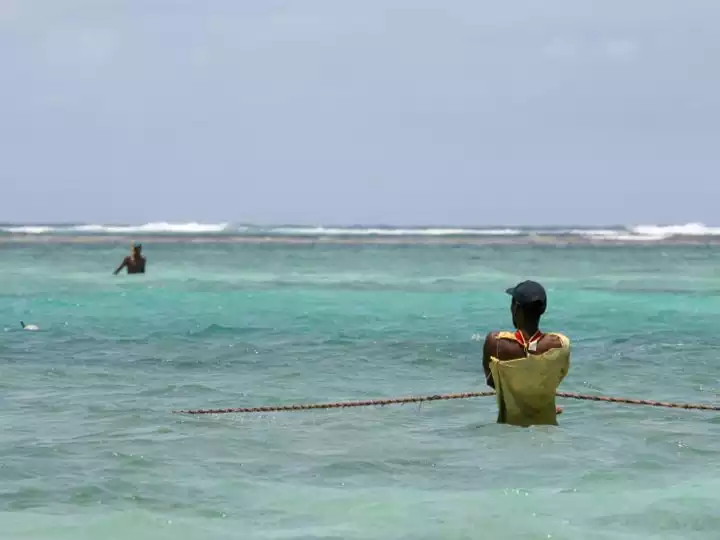
Kenya has many players in the plastics industry, and because of its low prices, plastics are one of the necessities that people in Kenya need. However, plastic is serious environmental damage, and plastic waste is spread all over its Indian Ocean coast. In Mombasa, Kenya’s second-largest city, nearly 4 kilograms of plastic per capita is discarded each year and leaches into water bodies.
To combat plastic pollution, Kenya has invested heavily in policy and enforcement to take action against plastic pollution, making a significant contribution to environmental protection in Africa and the world.
Reducing plastic at the source
National policy
Kenya banned single-use plastic bags for its nationals in 2017, news that created a stir and made headlines at the time. Prior to that, Kenya also decided to sign the Clean Ocean Initiative, demonstrating the country’s commitment to protecting the environment.
Moreover, from June 2020, visitors to Kenya’s national parks, beaches, forests, and reserves are banned from carrying plastic water bottles, disposable plates, cutlery, or plastic straws. The policy has been effective in reducing the amount of plastic, proving that stopping the flow of plastic into its scenic areas is an important step in reducing plastic waste.
Higher education
It’s not just the fight against plastic that has made Kenya a green pioneer, it’s also the development of environmental awareness among its citizens. Kenya was an early adopter of the Green University initiative.
For more than a decade, universities across the country have been working to green their campuses and strengthen students’ awareness and ability to protect the environment. Students have been studying in-depth issues such as how to protect the environment, how to collect plastic waste, and how to recycle used plastic. It is also heartwarming to note that public and private institutions also offer higher education courses, such as environmental science, management and so on. Therefore, the environmental awareness of the Kenyan nation is greatly enhanced.
Plastic recycling drives new economy
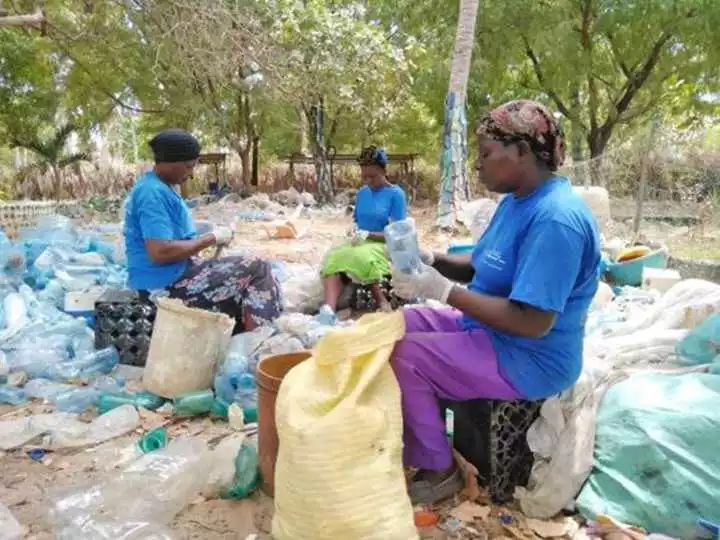
Plastic wastes are separated from other wastes and subdivided into PP, PE, PET, etc. PET plastic flakes can be recycled into clean plastic flakes that can be used to make plastic containers, clothes, etc. PP and PE plastic can be made into plastic pellets that can be made into recycled plastic products that are widely used in agriculture, fishing, shipping, etc.
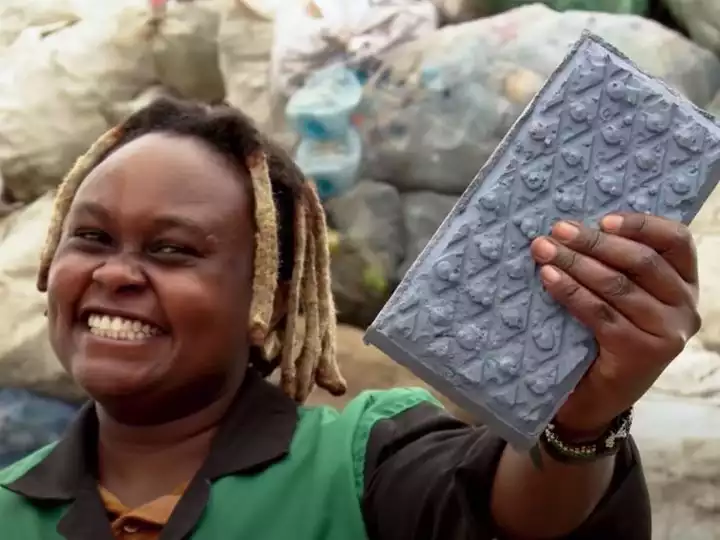
There are already many plastic recycling plants in Kenya, and they are contributing to the protection of the environment. Effective plastic recycling can protect the environment while providing job creation and stimulating economic growth in Kenya.